Glorious Mess: Why Audiences Are Ditching the Polished Show for the Beautiful Stumble
Somewhere in a strip-mall black box theater in Columbus, Ohio, a twenty-three-year-old actor just forgot her line. She stands there for a full four seconds — an eternity on any stage — and the audience doesn't groan. They lean in. And when she recovers, laughing at herself before finding the words, the applause is louder than anything a Netflix special has generated in her city this year.
That moment will never trend. No algorithm will surface it. And that might be exactly the point.
The Overproduce Everything Era
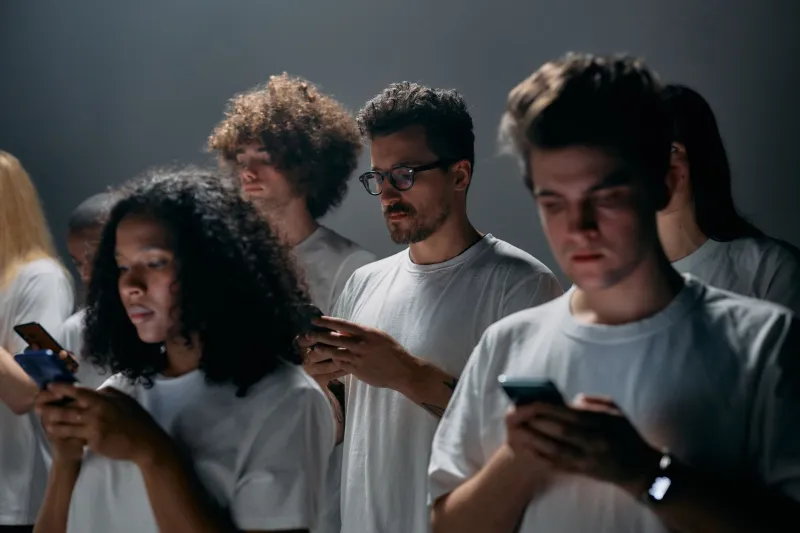
American entertainment has been running a long experiment in flawlessness. Every major streaming release arrives pre-polished: the lighting is cinematic, the sound design surgical, and the marketing rollout timed to the millisecond. Live concert tours now feature augmented reality backdrops and setlists curated by data teams. Even "raw" content — the shaky-cam confessionals and "no makeup" TikToks — is produced within an inch of its life before it hits your feed.
The result is entertainment that is technically extraordinary and emotionally exhausting. When everything is a spectacle, nothing feels like a discovery. When every performance is engineered for the clip, the full experience starts to feel like packaging.
And audiences, slowly but unmistakably, are getting tired.
The Open Mic Is Having Its Moment
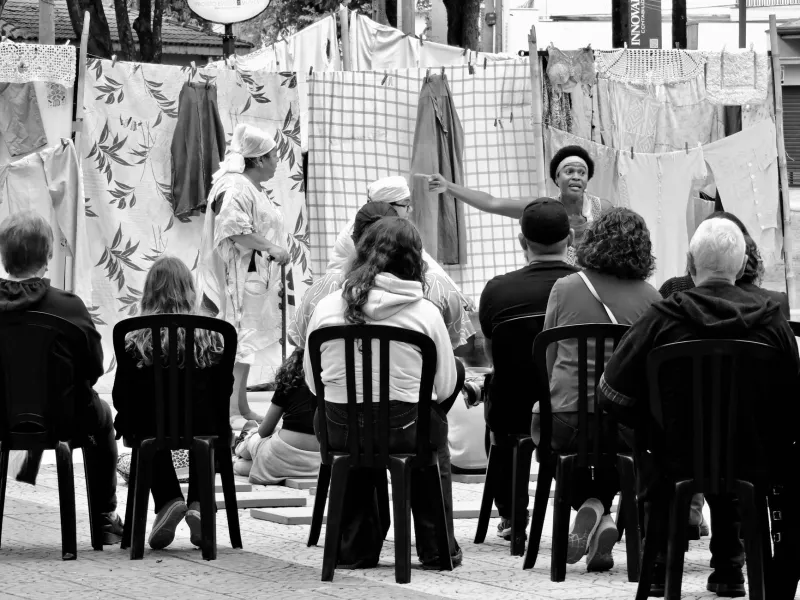
Ask anyone who runs a small live venue in America right now, and they'll tell you the same thing: people are showing up. Not to the stadium concerts — those are fine — but to the weird little shows. The open mics on Wednesday nights. The community theater production of a musical that hasn't been relevant since 1987. The church talent show that runs forty-five minutes over schedule because the guy doing magic tricks won't leave the stage.
These aren't ironic outings. People aren't attending to mock or to feel superior. They're going because something real is happening, and real has become genuinely rare.
In cities like Nashville, Austin, Portland, and Pittsburgh, local entertainment venues that specialize in unfiltered, unrehearsed, or low-budget live performance have reported steady audience growth over the past two years. The draw isn't nostalgia — it's novelty. For a generation raised on algorithmic perfection, watching a human being struggle and succeed in real time is legitimately thrilling.
Why Imperfection Feels Like a Status Symbol
There's a social currency shift happening here that's worth naming. For a while, having access to the most exclusive, most polished, most expensive entertainment was the flex. VIP sections. Presale codes. Verified fan queues. The whole apparatus of manufactured scarcity around a hyperproduced experience.
But something changed. When the polished product became universally accessible — when every Spotify subscriber gets the same algorithm and every Netflix account gets the same recommendation engine — exclusivity had to come from somewhere else.
Now, being in the room for something unfiltered is the thing. Seeing a band before anyone's heard of them. Watching a playwright workshop a script in front of thirty people at a community center. Catching a comedian bomb and recover at a Tuesday open mic. These experiences can't be streamed. They can barely be described to someone who wasn't there. And that untranslatability? That's the whole appeal.
What the Industry Doesn't Want to Hear
The entertainment industry's response to this shift has been, predictably, to try to produce authenticity at scale. You can see it in the "intimate" arena shows that cost $300 a ticket. In the "raw and unfiltered" documentary series that went through seventeen editorial passes before release. In the manufactured vulnerability of artists who cry on cue during press tours.
But audiences are getting better at spotting the fake version of real. The whole point of an open mic is that nobody knows what's going to happen — including the performers. The whole point of community theater is that the person playing the villain also works at your dentist's office. The stakes are different. The connection is different.
No production budget can manufacture the feeling of being in a room where something might genuinely go sideways.
The Spontaneity Economy
What's emerging is something you might call a spontaneity economy — a growing market for live experiences that are specifically valued because they cannot be controlled, optimized, or replicated. It's the anti-algorithm, and it's attracting real investment.
Local arts organizations that were struggling five years ago are reporting renewed interest from younger donors and attendees. Improv theaters in mid-sized American cities are expanding their class offerings because demand is up. Church talent shows — long considered the most unglamorous live entertainment format in existence — are pulling in audiences who genuinely want to be there, not out of obligation but out of a hunger for something unscripted.
Even some professional entertainers are leaning into this. More musicians are booking small, unannounced shows between major tours. More comedians are returning to the open mic circuit not because they need to, but because they miss the unpredictability. The mess, it turns out, is the message.
What This Means Going Forward
None of this signals the death of the polished production. People will still watch the Super Bowl halftime show. They'll still stream the prestige drama with the cinematic color grading. The high-gloss stuff isn't going anywhere.
But its cultural dominance is being quietly challenged by something it can't fully absorb: the live, imperfect, human-scale experience. The kind where the performer knows your face and you know theirs. Where a forgotten line or a missed cue doesn't get edited out — it becomes the story everyone tells on the way home.
In a hyperproduced world, the beautiful stumble is the rarest thing going. And right now, it might just be the most powerful thing in entertainment.