Infinite Options, Zero Decisions: The Streaming Paralysis Nobody Wants to Admit

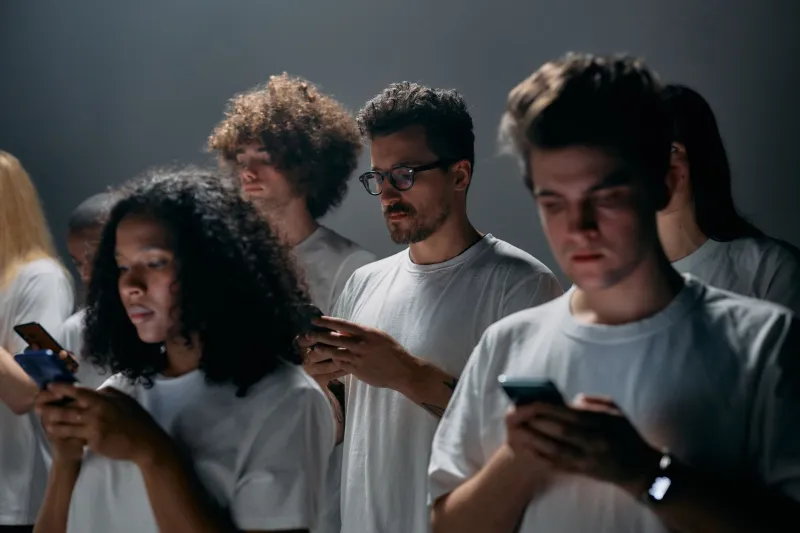
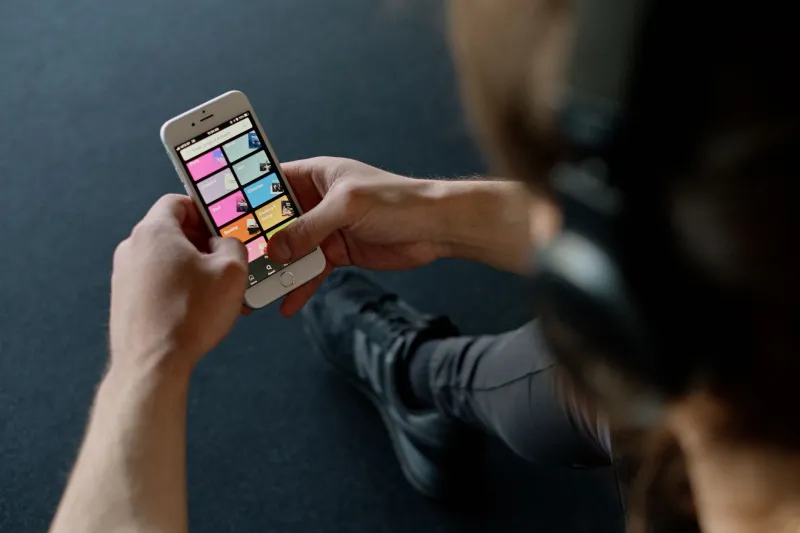
Somewhere between opening Netflix and actually pressing play, something goes wrong. You've been sitting there for 35 minutes. The thumbnail grid has blurred into visual noise. You've hovered over the same three shows, read the same three synopses, and backed out of the same three trailers. Eventually, you either rewatch something you've already seen — or give up entirely and scroll TikTok until you fall asleep.
This is not a personal failure. This is a design problem that has become a cultural condition.
When More Became Less
The promise of streaming was simple: everything, instantly, on demand. And for a while, that felt like freedom. But somewhere around the fifth platform subscription and the third content library rebranding, the math stopped working in the viewer's favor.
As of 2024, the average American household subscribes to four or more streaming services. That's thousands of hours of original content, licensed libraries, and algorithmically promoted material competing for the same two hours of evening downtime. Psychologists have a name for what happens when options multiply past a certain threshold: choice overload. And it turns out, the entertainment industry has been quietly manufacturing it at industrial scale.
"There's solid research going back to Barry Schwartz's work on the paradox of choice that shows decision satisfaction drops sharply once options exceed what our working memory can comfortably process," says Dr. Mara Ellison, a behavioral psychologist based in Chicago who studies digital consumption habits. "Streaming interfaces are essentially designed to surface as many options as possible. That's the opposite of what helps people actually choose."
The Algorithm That Confuses Instead of Clarifies
Here's the cruel irony: recommendation engines were supposed to solve this exact problem. Feed the machine your watch history, your ratings, your browsing patterns — and it would surface exactly what you wanted before you even knew you wanted it.
Except it hasn't worked out that way. For a lot of users, the algorithm has become part of the problem rather than the solution.
The issue is that recommendation systems optimize for engagement, not satisfaction. They're built to keep you on the platform, not necessarily to get you to something you'll genuinely love. That means surfacing content that's similar enough to feel familiar but novel enough to seem worth clicking — a formula that produces an endless middle zone of "pretty good" suggestions that never quite land.
"I have three streaming subscriptions and I probably watch the same six shows on rotation," says Marcus Webb, a 31-year-old graphic designer in Atlanta. "The apps keep suggesting stuff I'll never actually watch. At this point I trust my own memory more than any recommendation they give me."
Market research firm Antenna reported in late 2023 that subscriber churn rates across major platforms remain stubbornly high — with a significant portion of cancellations driven not by content dissatisfaction but by what respondents described as feeling "overwhelmed" or "unsure what to watch."
Decision Fatigue Is a Real Cost
There's a hidden tax on all this scrolling that doesn't show up on your credit card statement. Mental bandwidth.
Decision fatigue — the degradation of decision quality after a sustained period of making choices — is well documented in psychology literature. Most people encounter it at work, in grocery stores, in their inboxes. What's newer is experiencing it in leisure time, a context where we're supposed to be recharging.
"When I get home from work, the last thing I want is another decision," says Priya Nair, a 28-year-old nurse in Houston. "But that's exactly what streaming gives me. I spend more energy picking something than I do watching it."
Some users have developed workarounds — keeping a running list of shows to watch, using third-party apps like JustWatch to pre-plan viewing, or designating certain platforms for certain moods. These are essentially manual systems built to compensate for interface failures. People are doing the algorithm's job for it.
The Ghost Subscription Economy
Perhaps the strangest symptom of streaming paralysis is the ghost subscription — services people pay for monthly without actually using. A 2023 survey by Waterfall Research found that nearly 40% of American streaming subscribers had paid for at least one service for three or more months without watching a single piece of content on it.
This isn't forgetfulness. It's something closer to ambient guilt. People keep the subscription because they intend to watch something on it, someday, when they figure out what. The service becomes less a product and more a standing promise to themselves.
Streaming executives are aware of this pattern, though they're not exactly rushing to fix it. Ghost subscribers are, after all, still paying subscribers. But there are signals that the industry is starting to take engagement quality more seriously — partly because investors have shifted focus from raw subscriber counts to active usage metrics.
What Comes After Infinite
The response to streaming paralysis is already starting to take shape, and it's messier and more interesting than anyone expected.
Some people are canceling services deliberately, building what they call a "streaming rotation" — subscribing to one platform for two or three months, burning through what they want, then switching. Others are leaning back into scheduled programming, appointment television, or even — and this is the part that would have seemed absurd five years ago — cable.
There's also a growing appetite for curation by humans rather than machines. Newsletters, friend group text chains, and social media posts recommending specific shows have taken on new weight. The recommendation that lands isn't the one from an algorithm — it's the one from someone whose taste you actually trust.
The streaming industry built its empire on the premise that more is more. A growing number of Americans are quietly testing the opposite theory. And honestly? The remote control has never felt heavier.