We Used to Line Up for This: The Strange Grief of Losing the Midnight Drop
Somewhere in a parking lot outside an AMC in suburban Ohio, a group of grown adults once waited four hours in folding chairs to watch a movie about a wizard. They had snacks. They had costumes. One guy had a handmade sign. None of them knew each other before that night, and honestly, most of them probably never crossed paths again. But for those four hours, they were the same kind of person — someone who cared enough to actually show up.
That scene feels almost mythological now.
The midnight premiere, the album release line, the console launch campout — these weren't just events. They were rituals. Weird, sleep-depriving, occasionally uncomfortable rituals that somehow made the thing you were waiting for feel bigger than it actually was. And somewhere between the rise of digital pre-orders and the invention of the Discord countdown server, we let them die without really holding a funeral.
What "Showing Up" Used to Mean
Let's be honest about what those lines were actually about. Nobody needed to see The Dark Knight at 12:01 AM. The movie would have been there in the morning. The album you were waiting outside Best Buy for would have been on your doorstep by noon. The PS4 you camped out for could have been ordered online.
The point was never efficiency. The point was participation.
There's something that happens when you put your body in a specific place at a specific time for a purely cultural reason. You're making a statement — to yourself and to everyone around you — that this thing matters enough to be uncomfortable for. The cold parking lot, the bad folding chair, the guy three spots ahead of you who brought an entire portable speaker setup: all of it was evidence that you were in a community of people who gave a damn.
That's genuinely hard to replicate with a push notification.
The Digital Handoff
The shift didn't happen all at once. It crept in through convenience. iTunes midnight drops meant you didn't need to drive anywhere. Steam made game launches a home event. Netflix dropped entire seasons at once with zero ceremony. Each individual change made total sense. Collectively, they quietly dismantled a whole category of shared experience.
Now when something big drops, the ritual looks like this: you refresh Twitter, you watch the discourse explode in real time, you join a Discord where people are posting their first reactions in a channel called #live-reactions, and somewhere around 12:04 AM someone posts a spoiler and gets banned. It's lively. It's fast. It's connected in its own way.
But it's also happening in your bedroom, alone, in the dark, with your phone six inches from your face.
The energy is there — sometimes it's genuinely electric — but it's energy without friction. And friction, weirdly, was part of what made the old version feel real.
The Friction Was the Point
Here's the thing about waiting in a line at midnight: it filtered for commitment. You couldn't accidentally end up there. You had to decide, plan, drive, and stay awake. That investment created a certain kind of crowd — people who weren't casually interested, they were invested. And being surrounded by that level of investment was its own kind of high.
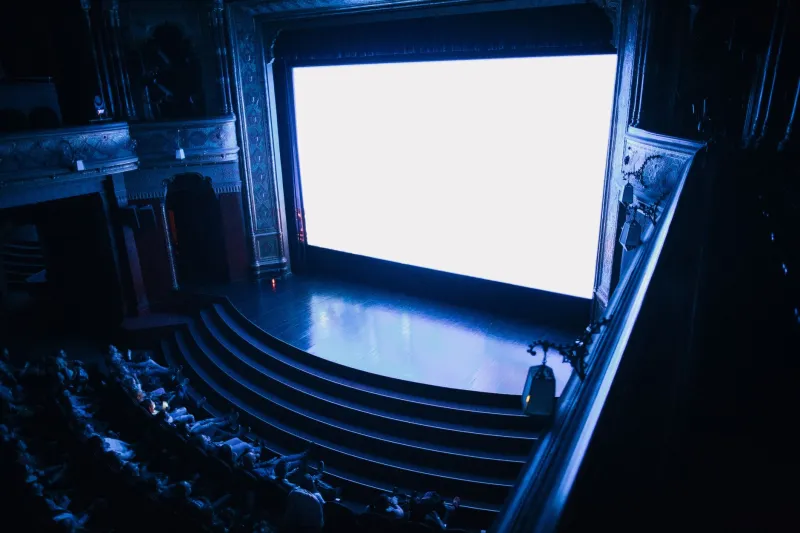
Think about the energy at a midnight Avengers screening versus watching it on Disney+ the day it hits streaming. Same movie. Completely different emotional experience. The theater version comes loaded with context — the gasps, the laughs, the one guy who absolutely lost his mind during a specific scene. The streaming version is just... the movie.
Online hype has volume but it lacks texture. You can see 40,000 people tweeting about an album drop, but you can't feel the room. You can't hear the collective exhale when the thing finally starts. You can't share a look with a stranger that says yeah, we both know this is a little insane and we're doing it anyway.
What Gen Z Missed and Doesn't Know It
This isn't a generational guilt trip — it's more of a genuine curiosity. Younger audiences grew up in the era of instant access, where the idea of waiting in a physical line for digital content sounds vaguely absurd. And honestly, fair. It kind of was absurd.
But there's a reason so many Gen Z and younger millennial creators are obsessed with "the vibe" of in-person moments. The pop-up events, the listening parties, the brand activations that require you to physically travel somewhere and stand in another line — these are attempts to manufacture the thing that used to happen organically. Brands are spending serious money trying to recreate the feeling that a parking lot full of nerds used to generate for free.
Coachella, ComplexCon, even the lines outside Supreme drops — these are cultural artifacts of a hunger for the physical version of hype. People want to be there, even when "there" is increasingly hard to define.
Can Online Ever Fill the Gap?
Sometimes it gets close. A really good live-tweet moment — the kind where a collective cultural reaction is happening in real time across millions of feeds — can feel genuinely communal. The finale of a prestige show, a surprise album drop from a massive artist, a sports moment that breaks the internet: these things create a shared experience that transcends physical space in interesting ways.
But they're still missing something. The stakes feel lower. You can always catch up. You can mute the discourse, avoid spoilers, and experience the thing on your own schedule. The midnight premiere didn't give you that option. You were either there or you weren't, and being there meant something.
The internet is endlessly accommodating, which is both its greatest feature and the thing that quietly undermines collective excitement. When everyone can be anywhere at any time, being somewhere specific stops meaning anything.
The Parking Lot Was Never Really About the Movie
Look, some of those midnight movies were genuinely bad. Some of those albums didn't deserve the lines. Some of those console launches were for hardware that red-ringed within six months. The product wasn't always the point.
The point was the hour before it started, when you were just a group of people in a parking lot who all cared about the same thing at the same time in the same place. That's rarer than it sounds. That's actually kind of precious.
We traded it for faster access and better sleep, which are both reasonable trades. But it's worth acknowledging what the trade cost us — not just nostalgia, but a specific kind of belonging that the internet, for all its connectivity, still hasn't figured out how to fully replace.
Somewhere out there, there's probably a Discord server with 12,000 members counting down to a midnight drop. It's organized, it's active, it's got custom emojis. And it's not the same. It's just not.