Cutting the Feed: Why Millions of Americans Are Quietly Hitting Unfollow — and Never Looking Back
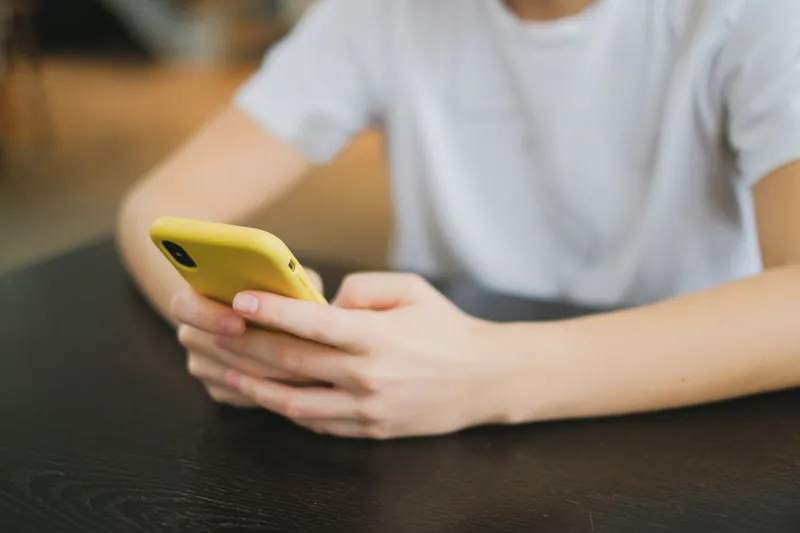
Nobody's announcing it. There's no dramatic "I'm leaving social media" post, no countdown, no farewell tour. Just a quiet Sunday afternoon, a phone in hand, and a slow scroll through a following list that somehow ballooned to 1,400 accounts. Then: unfollow. Mute. Remove. Repeat.
This is the unfollow economy — and it's one of the more interesting behavioral shifts happening in American digital life right now.
It's Not a Detox. It's a Renovation.
For years, the cultural conversation around social media and mental health defaulted to the nuclear option: quit the apps entirely. Delete Instagram. Deactivate Twitter. Take a 30-day break and write a Medium post about how great you feel now. That framing made social media an all-or-nothing proposition — either you're in the chaos or you're out of it completely.
But a growing slice of Americans isn't doing either of those things. Instead, they're doing something far more surgical. They're keeping the platforms but gutting the content pipeline. Unfollowing accounts that make them feel vaguely inadequate. Muting the cousin who posts seventeen times a day. Quietly removing themselves from group chats that stopped being fun around 2021.
It's less detox, more renovation. Same house, completely different vibe inside.
And the difference in how people describe the outcome is striking. Ask someone who rage-quit Instagram cold turkey and they'll often tell you they felt cut off, like they were missing something. Ask someone who spent two hours deliberately pruning their feed and they'll say it feels like they finally got a decent night's sleep — except for their brain.
The Psychology Behind the Prune
Here's what's actually happening under the hood. Social media feeds were never designed to be calm. They were designed to be maximally engaging, which in practice means maximally stimulating — a relentless churn of content optimized to trigger some kind of reaction, whether that's inspiration, envy, outrage, or just the dopamine hit of seeing something new.
When your feed is packed with 800 accounts — brands, influencers, old coworkers, people you followed because they made one funny video in 2019 — you're essentially giving your attention to a room full of strangers all talking at once. Your brain is constantly processing social signals from people you have zero actual relationship with.
Trimming that list down isn't just an aesthetic choice. It's reclaiming what some researchers call "mental real estate" — the cognitive bandwidth that gets quietly eaten up by low-value content you didn't consciously choose to prioritize. When you unfollow an account that consistently makes you feel bad about your apartment, your body, or your career, you're not just removing a post. You're removing a recurring trigger from your daily environment.
That's not nothing. That's actually kind of a big deal.
Platforms Are Making It Easier Than You Think
What's interesting is that the platforms themselves — the same ones whose business models depend on you seeing more content, not less — have quietly built out tools that make feed pruning genuinely easier than it used to be.
Instagram has had a mute function for years that lets you stay "friends" with someone while never seeing their content again. LinkedIn recently introduced a feature that lets you unfollow your entire network and rebuild from scratch. X (formerly Twitter) has algorithmic controls that, when you actually dig into them, give you a surprising amount of say over what shows up. TikTok's "Not Interested" button, when used aggressively, can reshape your For You page within days.
None of these features get promoted loudly. You're not going to see a push notification that says "Hey, want to see less of us?" But they exist, they work, and once people discover them, they tend to use them hard.
There's also a cottage industry of third-party tools — apps and browser extensions designed specifically to help users audit and mass-clean their following lists. The fact that these tools have found an audience says something about the demand that's out there.
The Social Awkwardness Nobody Talks About
Let's be real about the part that makes people hesitate: unfollowing someone you actually know in real life is weird. American social norms around digital connection are still pretty unsettled. Getting unfollowed by an acquaintance can feel like a minor snub. Getting unfollowed by someone you thought was a friend can genuinely sting.
This is part of why muting became so popular — it's the coward's way out, and we mean that in the most affectionate way possible. You preserve the social peace. The other person has no idea. You just never see their content again. Everyone wins, kind of.
But a growing number of people are getting more comfortable with the hard unfollow, even for people they know. The logic being: my feed is my space. What I choose to fill it with is a personal decision, not a social contract. Following someone on Instagram was never a promise of eternal digital loyalty.
That mindset shift — treating your feed as a curated personal environment rather than a social obligation — is genuinely new. And it's spreading.
What This Says About Where Social Media Is Headed
Zoom out and this trend starts to look like something bigger than just individual people cleaning up their apps. It looks like a collective renegotiation of what social media is actually for.
The original pitch — connect with everyone, follow everything, stay plugged in at all times — is losing its appeal for a meaningful chunk of the American user base. Not because people want to disconnect entirely, but because they've spent enough years in the noise to know what the signal actually feels like. And they want more of that, less of everything else.
The platforms that figure out how to serve that preference — that make intentional, low-volume, high-quality connection feel as easy as doomscrolling — are probably going to be the ones that matter in five years. The ones that keep optimizing purely for time-on-app, without giving users real control over their experience, are going to keep watching their most thoughtful users quietly disappear from the feed.
One unfollow at a time.
The Takeaway
You don't have to burn it all down. You don't have to write a think piece about quitting your phone. Sometimes the move is just spending an hour with your following list and asking, honestly: does this account make my life better or worse?
If the answer is worse — or even just "I have no idea why I'm still following this" — that's what the unfollow button is for.
Your feed is yours. Act like it.