One Screen to Rule Them All: America's Quiet Breakup With Multi-Device Life

One Screen to Rule Them All: America's Quiet Breakup With Multi-Device Life
Somewhere around 2015, the tech industry decided that more screens meant more freedom. A phone for on-the-go, a tablet for the couch, a laptop for the serious stuff, and a TV humming in the background because silence was apparently a problem. The multi-device lifestyle got packaged and sold as the ultimate form of modern living — productive, connected, always-on.
Nobody really asked if anyone actually wanted that.
Fast forward to now, and something subtle but significant is happening across American homes. People are quietly walking away from the stack. They're not making grand announcements about it. They're just... picking one device, leaning in, and letting the others collect dust on the nightstand. The third screen — that extra tablet, that secondary monitor, that TV nobody actually watches — is disappearing from the daily rotation. And the reasons why say a lot more about how Americans are really living than any product launch ever could.
The Multi-Screen Fantasy Never Quite Landed
The pitch was always aspirational. Imagine seamlessly switching from your phone to your tablet to your TV without missing a beat. Content everywhere. Attention everywhere. You, the master of your own connected universe.
In practice? It was exhausting.
Switching between devices isn't frictionless — it's mentally taxing. Every screen demands a slightly different posture, a different interface, a different set of passwords and preferences. And when you're already navigating a world that's constantly pinging, buzzing, and notifying, adding more entry points to that noise doesn't feel like freedom. It feels like a second job.
Researchers have been flagging attention fatigue for years, but the tech industry kept building outward instead of inward. More devices, more features, more surfaces for ads to live on. The assumption was always that people would adapt. Instead, people started simplifying.
The Device Loyalty Shift Nobody's Talking About
Here's what's actually happening on the ground: Americans are developing something closer to device loyalty than device flexibility. Ask someone in their 20s or 30s what their "main" screen is, and they'll tell you without hesitation. For a huge chunk of people, it's the phone. Full stop.
Not the TV. Not the laptop. The phone.
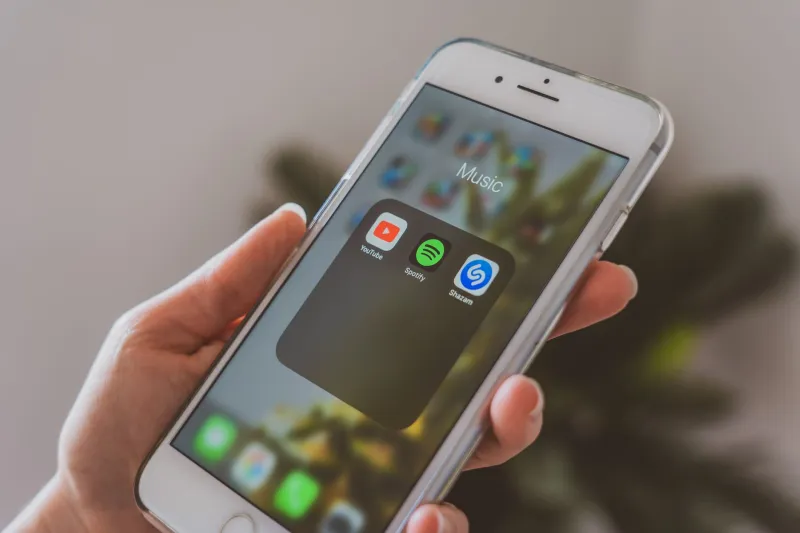
And increasingly, that one device is doing everything. Streaming, browsing, communicating, banking, gaming, working. The phone has become so capable — and so personally configured — that pulling out a tablet to do the same thing feels redundant rather than convenient. Why would you switch to a bigger screen when your phone already knows your preferences, your playlists, your saved passwords, and your watch history?
For older demographics, the dominant device tends to skew toward the TV or laptop, but the pattern holds: there's a primary screen, and everything else is secondary in a way that's starting to mean "barely used."
What Happened to the Tablet?
The tablet is the clearest casualty of this consolidation. Once positioned as the device that would live between the phone and the laptop — the Goldilocks screen — it never really found its permanent place in the American daily routine.
Sales data has been telling this story quietly for years. Tablet shipments peaked, plateaued, and then started declining as phone screens grew larger and laptop form factors got lighter. The use case that made tablets compelling — casual media consumption on the couch — got absorbed almost entirely by the phone. And the productivity angle never fully materialized because laptops just did that better.
What you're left with is a device that's great for kids and niche professional workflows, but for the average American adult? It's a drawer item. A backup. Something you charge once a month and forget about.
The TV's Complicated New Role
Television is a different story, and it's worth separating from the broader consolidation trend. The TV isn't dying — it's actually having a moment in certain households, particularly as streaming platforms have made appointment viewing feel relevant again. But the way Americans are watching TV has changed.
The second-screen behavior that advertisers and networks bet everything on — the idea that you'd be watching TV while simultaneously scrolling your phone and engaging with companion content — largely didn't pan out the way they hoped. People do watch TV with their phones out, but they're not doing synchronized dual-screen engagement. They're just... on their phone. The TV is ambient. Background noise with better visuals.
That's a fundamentally different relationship than the multi-screen utopia that was promised. The TV is present, but it's not commanding attention the way a single dominant device does.
Attention Fatigue Is the Real Architect Here
Under all of this is something the tech industry doesn't love to acknowledge: human attention is genuinely finite, and years of multi-device maximalism have left a lot of people feeling depleted.
There's a reason "screen time" reports cause anxiety. There's a reason people are putting their phones in drawers during dinner or using app timers to cut themselves off. The cultural conversation around digital wellness has shifted from theoretical to urgent, and one of the practical responses — even if it's unconscious — is simplification.
Fewer screens means fewer demands on your attention. It means your notifications live in one place. It means the mental overhead of managing multiple devices, multiple accounts, multiple interfaces just... goes away. That's not a tech failure. That's a human correction.
What the Industry Refuses to Admit
Here's the uncomfortable truth sitting at the center of all this: the multi-device ecosystem was always better for tech companies than it was for users. More devices meant more hardware revenue, more platforms, more surfaces for engagement metrics, more data points across more screens. The consumer benefit was real but secondary.
Now that Americans are consolidating, the industry is scrambling to make the remaining device as sticky as possible. That's why phone manufacturers keep making screens bigger. Why streaming apps are optimizing harder for mobile. Why the competition for that single primary screen is more intense than it's ever been.
The fight isn't about getting you to use more devices anymore. It's about becoming the one device you can't put down.
Simplicity as a Statement
There's something almost countercultural about choosing one screen and committing to it in 2025. In a tech landscape that still defaults to "more is more," opting out of the multi-device stack feels like a small act of resistance — even if most people doing it are just trying to find their charger without having to search three rooms.
But that's kind of the point. The most significant behavioral shifts rarely feel like movements while they're happening. They just feel like people making sensible choices in their own lives.
America isn't staging a protest against tech. It's just quietly deciding that one good screen, used well, beats three mediocre ones competing for the same tired attention.
And honestly? That might be the most sane thing we've collectively figured out in a while.