Whose Taste Is It, Anyway? The Quiet War Between Who You Are and What the Algorithm Wants You to Be
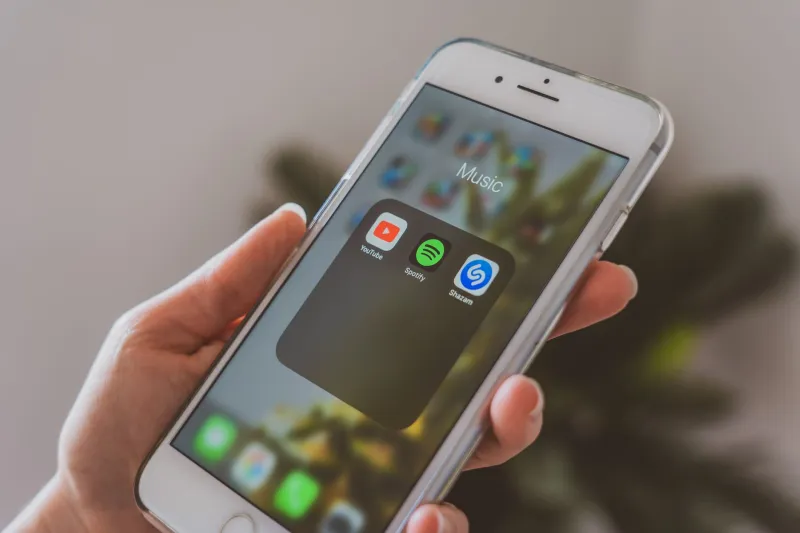
Let's start with a scenario most of us have lived. You open Spotify on a Tuesday afternoon, throw on a playlist you didn't build, and two weeks later you're telling people that artist is your favorite. You didn't seek them out. You didn't hear them at a party or catch a recommendation from a friend. The algorithm handed them to you — and now they feel like yours.
That feeling is the whole game.
Recommendation systems have become so deeply embedded in how Americans consume music, film, fashion, and even news that the line between "what I like" and "what I've been shown" has basically dissolved. And the scariest part? Most of us are completely fine with it.
How the Engine Actually Works
At a surface level, recommendation algorithms are collaborative filtering machines. They look at what you've engaged with, find other users who share similar patterns, and serve you what those users also consumed. Spotify does it. Netflix does it. Amazon does it. TikTok took the whole thing and strapped a rocket to it.
But here's where it gets philosophically messy: the more you engage with what you're served, the more confident the system becomes in its model of you. Your behavior feeds the algorithm, and the algorithm feeds your behavior. It's a closed loop — and inside that loop, something subtle but significant is happening to American culture at scale.
Dr. Renée Richardson Gosline, a behavioral scientist at MIT Sloan, has written about how recommendation systems don't just predict desire — they create it. When millions of people are nudged toward the same ten artists, the same aesthetic, the same genre of film, the result isn't just a popularity chart. It's a manufactured consensus that starts to look a lot like organic cultural movement.
The Feedback Loop Nobody Talks About
Here's the thing about feedback loops: they're self-reinforcing by design. When a streaming platform notices that users who listen to lo-fi hip-hop also tend to watch slow-burn indie dramas, it starts connecting those dots in its recommendation engine. Pretty soon, lo-fi and slow-burn indie aren't just two separate preferences — they're a bundle. An identity package.
Cultural critics have been sounding the alarm on this for a while. In a 2022 essay for The Atlantic, cultural writer Spencer Kornhaber described the Spotify era as producing "listeners who are deeply knowledgeable about a very narrow corridor of sound" — people who feel like they have eclectic taste but are actually moving through a carefully managed tunnel.
The music industry noticed. Labels began reverse-engineering algorithmic signals — shorter song intros, repeated hooks earlier in tracks, tempo ranges that match what the algorithm seems to reward — to game the system. Which means the music itself is now being shaped by the same engine shaping your taste. The feedback loop goes all the way down.
Fashion Isn't Immune, Either
It's not just audio and video. Pinterest's visual recommendation system, TikTok's aesthetic rabbit holes, and Instagram's Explore page have done something similar to American fashion. One month, cottagecore is a niche aesthetic favored by a few thousand users. The next, it's a Target collection.
The acceleration is staggering. What used to take a subculture five to ten years to go mainstream now takes eighteen months — sometimes less. And the mechanism is almost always algorithmic amplification. The platform identifies an engagement spike in a niche community, promotes that content to adjacent audiences, and watches the aesthetic spread like a cultural wildfire.
The problem isn't that people are discovering cottagecore or dark academia or whatever the next thing is. Discovery is good. The problem is the speed — and the fact that the discovery feels self-directed when it isn't.
"Engineered Authenticity" Is Still Engineering
Behavioral psychologist Dr. Jonah Berger, author of Contagious, has a useful framework here. He argues that people don't just want to consume things — they want to signal identity through consumption. When an algorithm successfully matches you with content that feels like an expression of who you are, it's doing something more powerful than making a recommendation. It's offering you a mirror.
The problem with mirrors, of course, is that they only show you what's already in front of them. If the mirror is curated — if it's been tuned to show you a version of yourself that's most likely to keep you engaged — then you're not seeing yourself. You're seeing a performance of yourself that the platform has decided is most monetizable.
That's not a small thing. That's a quiet redefinition of what personal taste even means in 2025.
So What Do You Actually Like?
This isn't an argument for going fully off-grid, deleting your streaming apps, and only listening to records you find at estate sales (though honestly, respect if you do). It's more of a nudge toward conscious consumption — toward occasionally asking yourself where a preference actually came from.
Some cultural critics advocate for what they call "algorithmic hygiene": deliberately seeking out content through channels the algorithm doesn't control. Physical record stores. Word-of-mouth. Independent blogs. Podcasts that don't track your listening behavior.
Others argue the whole debate is overblown — that humans have always had their tastes shaped by outside forces, whether that's radio programmers, magazine editors, or the friend who made you a mixtape in 2003. The algorithm, in this view, is just the latest intermediary.
Both takes have merit. But there's a meaningful difference between a human tastemaker and a machine optimized for engagement. The human might introduce you to something because they genuinely love it. The machine introduces you to something because it calculated that you're 73% likely to play it again.
Taste in the Age of the For You Page
Here's the honest truth: recommendation engines have made American cultural life richer in some ways and flatter in others. They've given millions of people access to music, film, and art they'd never have found on their own. That's real. That's not nothing.
But they've also created a cultural landscape where originality is increasingly optimized away, where niches get strip-mined the moment they're discovered, and where the feeling of having "your own taste" is partly an illusion maintained by very sophisticated software.
When taste is engineered at scale, it doesn't stop being taste. But it stops being entirely yours. And in a country that's always prided itself on individuality, that's worth sitting with — even if the algorithm would rather you just hit play.