These 10 Gadgets Quietly Moved Into American Homes — And We're Just Now Realizing What That Means
These 10 Gadgets Quietly Moved Into American Homes — And We're Just Now Realizing What That Means
There's a specific moment when a gadget stops being a gadget and starts being just... part of the house. You stop noticing it. You'd notice if it was gone. That's the line between novelty and fixture, and a surprising number of tech products have crossed it in the last decade without anyone really making a big announcement about it.
Some of these you own. Some of these you've definitely seen in a friend's place. All of them say something interesting about the direction American domestic life has quietly drifted.
1. The Smart Speaker (Amazon Echo / Google Nest)
At some point in the late 2010s, Americans collectively decided it was fine to put a microphone in their kitchen that's technically always listening. And honestly? Nobody really made a big deal out of it. The smart speaker went from a slightly awkward gift idea to a fixture in roughly 35% of US households. What does that say about us? We prioritized convenience over privacy so smoothly we barely noticed the trade. "Hey Alexa" became as reflexive as flipping a light switch.
2. The Robot Vacuum
The Roomba has been around since 2002, but the robot vacuum's real cultural moment came in the 2010s when prices dropped and the things got genuinely competent. Now there are entire social media accounts dedicated to filming pets riding them. What's the subtext here? Americans really, truly do not want to vacuum. But also — we love the idea of delegating domestic labor to a machine so much that we'll name the thing and feel guilty when it gets stuck under the couch.
3. LED Strip Lights
If you have a teenager or have watched any streamer's setup video in the last five years, you know exactly what these are. Cheap, adhesive-backed RGB strips that turn any room into a lo-fi study vibe or a gaming cave. The cultural tell here is aesthetic: an entire generation decided that ambient lighting wasn't just for fancy restaurants. They wanted their bedrooms to look like the inside of a luxury hotel lobby. At $15 from Amazon. Respect.
4. The Air Fryer
Okay, technically a kitchen appliance. But the air fryer's adoption curve is a genuine sociological event. It went from infomercial curiosity to the most talked-about countertop appliance in America in what felt like 18 months. Air fryer TikTok is its own genre. What it reveals: Americans want to feel like they're eating healthier without fundamentally changing what they're eating. The air fryer is aspirational health theater, and we are here for it.
5. The Ring Doorbell (and Home Security Cameras Generally)
The doorbell camera normalized something quietly significant: surveilling your own neighborhood and sharing that footage with strangers (and, controversially, with law enforcement). Ring's Neighbors app is basically a neighborhood watch group that never sleeps. The mass adoption of home cameras says something real about American anxiety — about safety, about property, about who belongs in your space. It's worth sitting with that one a little.
6. The Smart Thermostat
The Nest thermostat launched in 2011 and looked like something from a sci-fi movie. Now it's the kind of thing you see in new construction as a standard feature. What's the read? Americans are increasingly comfortable with devices that learn their behavior and make decisions on their behalf — as long as the pitch is "save money" and not "we're watching you." Framing matters.
7. Wireless Earbuds
AirPods dropped in 2016 and within a few years they were everywhere — subway cars, grocery stores, college campuses, corporate offices. The cultural shift here is subtle but real: we normalized being semi-checked-out from our immediate physical environment at all times. Wearing earbuds used to signal "don't talk to me." Now it's just neutral. The earbuds are always in. The world outside is optional.
8. The Instant Pot / Multi-Cooker
Like the air fryer, the Instant Pot is a kitchen device that became a lifestyle. There are Facebook groups with millions of members dedicated to Instant Pot recipes. People evangelize about it at dinner parties. What it reveals is a very American tension: we want home-cooked food that feels elaborate and effortful, but we want it fast and we want it to be impossible to mess up. The Instant Pot is a pressure cooker marketed as a personality trait.
9. The Smart TV (And The Disappearance of the Cable Box)
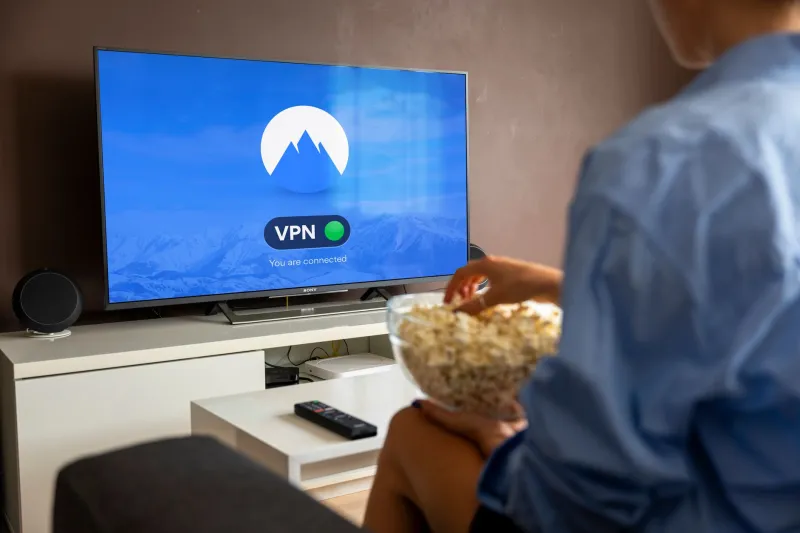
The smart TV didn't just replace the cable box — it rearranged the living room's entire power dynamic. The TV is now a portal, not a receiver. You choose what's on. Algorithms suggest what's next. The remote has a Netflix button built in. What does this tell us? That passive TV watching is basically over. Even when Americans "just put something on," there's a decision architecture designed by a tech company shaping what that something is.
10. The Portable Bluetooth Speaker
The JBL Flip, the UE Boom, the Bose SoundLink — the portable Bluetooth speaker quietly became the soundtrack device for every American outdoor gathering. Beach trips, tailgates, backyard barbecues, camping trips. They're everywhere. What's interesting here isn't the technology — it's what it replaced. The communal listening experience is now curated by whoever controls the Bluetooth connection. There's a whole social politics around who gets aux that would've been unrecognizable to previous generations.
Looked at individually, each of these gadgets is just a product. But zoom out and you see a pattern: Americans have spent the last decade systematically optimizing their homes for convenience, aesthetics, ambient stimulation, and low-friction entertainment. We've made our spaces smarter, more responsive, and more personalized — and in doing so, we've also made them more surveilled, more algorithm-dependent, and more tethered to subscription models.
None of that is a verdict. It's just worth noticing what got moved in while you weren't paying attention.