Empty Seats, Sticky Floors: Why Americans Stopped Showing Up to the Movies
There was a time — not that long ago — when opening weekend at the multiplex felt like a genuine cultural event. You'd show up in line, buzzing with anticipation, surrounded by strangers who were all there for the exact same reason. Something about that shared electricity was irreplaceable. The darkness, the massive screen, the collective gasp or laugh or sob. It wasn't just entertainment. It was ritual.
That ritual is quietly dying. And blaming streaming for the whole thing is the easy answer — and mostly the wrong one.
The Numbers Don't Lie, But They Don't Tell the Whole Story Either
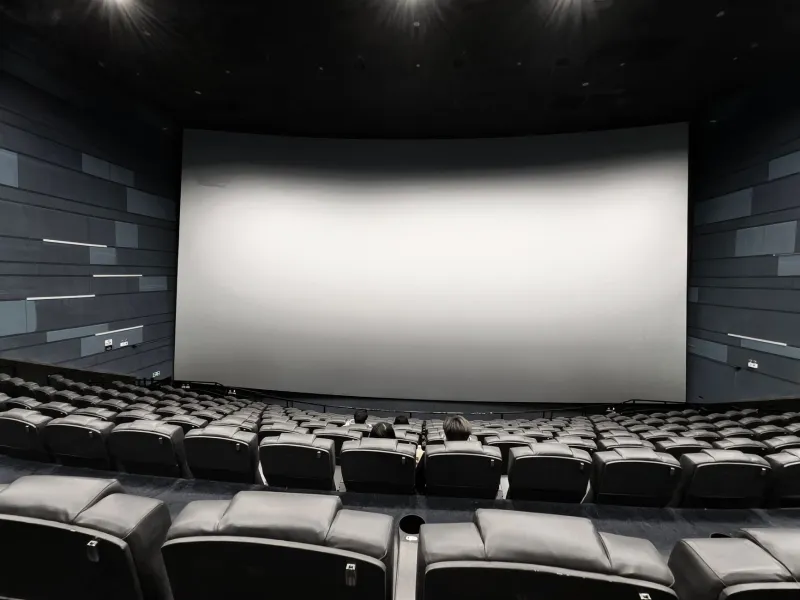
US box office revenue in 2023 came in at roughly $9 billion — a number that sounds respectable until you remember that 2019 pulled in over $11 billion. Even accounting for a handful of blockbuster exceptions (yes, Barbenheimer was real and it was glorious), the industry is still operating well below its pre-pandemic ceiling. Attendance figures are even more sobering than revenue, partly because theaters have been hiking prices aggressively to compensate for the empty seats.
Which creates its own vicious cycle.
When a family of four has to spend $80 just to get in the door — before popcorn, before drinks, before parking — the math starts looking pretty grim. That same $80 covers months of a streaming subscription. The calculus isn't complicated, and Americans have done it.
The Mid-Budget Film Basically Vanished
Here's something worth sitting with: the movies that used to anchor the middle of the release calendar — the adult dramas, the mid-scale comedies, the original thrillers — have almost completely disappeared from multiplexes. Studios figured out a while back that it's safer to bet everything on IP-driven tentpoles than to risk a $40 million original film that might underperform.
So what's left in theaters? Sequels. Reboots. Franchise extensions. Superhero movies in various states of fatigue.
And look, some of those films are great. But when the theatrical experience becomes synonymous with only a certain type of movie, you've already started narrowing your audience. The people who used to go to the movies to see a sharp drama or a quirky indie aren't finding those films at the multiplex anymore — they're finding them on Apple TV+ or A24's streaming deals. So they stay home. And the theater becomes a place you only go for event movies, which means you go less often, which means theaters generate less revenue, which means they raise prices... and around we go.
Social Media Killed the Communal Surprise
Remember when you could walk into a movie opening weekend and have genuinely no idea what was going to happen? That surprise — the collective gasp, the shared shock — was a massive part of the theatrical appeal. Opening weekend felt electric partly because everyone was discovering something together, in real time.
Social media has fundamentally broken that. Major plot points get leaked or pieced together from trailers weeks out. Twitter (fine, X) and TikTok are absolute spoiler minefields within hours of a film's release. Reddit threads dissect every frame of every trailer before the movie even opens. By the time you actually sit down in the theater, there's a decent chance you already know the twist, the death, the ending.
The surprise is gone. And with it, a huge chunk of the urgency to show up opening weekend.
The Experience Itself Has a Problem
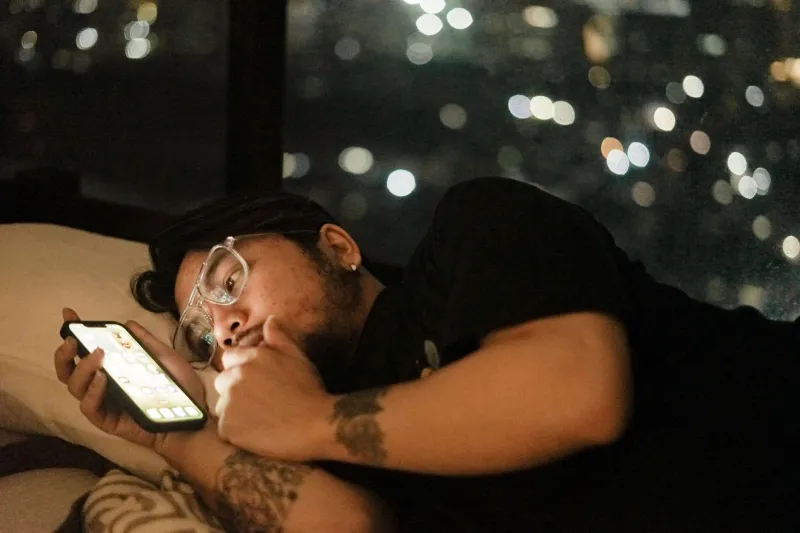
Let's be honest about something the industry doesn't love to discuss: for a lot of Americans, going to the movies has become kind of unpleasant. Phones lighting up mid-scene. People talking. Sound systems that are either way too loud or inexplicably muddy. Seats that looked premium in the ad but feel mediocre in person. Concession lines that take fifteen minutes when the trailers are already running.
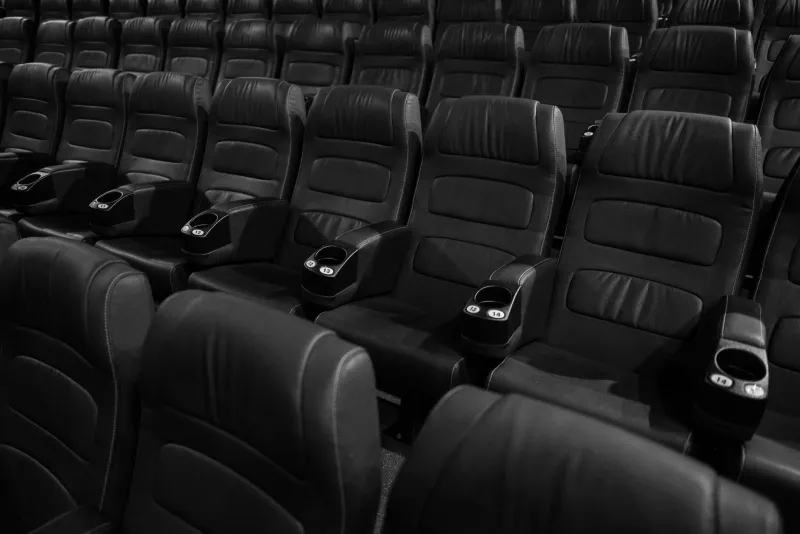
Theaters have tried to course-correct with premium formats — IMAX, Dolby Cinema, recliner seating, dine-in experiences. And those upgrades genuinely work for a subset of the audience. But they're also expensive, they're not available everywhere, and they've pushed the average ticket price even higher. You've essentially created a two-tier system: luxury theaters for people who can afford the premium, and neglected standard screens for everyone else.
That's not a great foundation for a mass-market cultural institution.
Can Theaters Actually Reinvent Themselves?
Some exhibitors are genuinely trying. Alamo Drafthouse built a cult following around strict no-phone policies and curated programming — and it worked, at least culturally. Smaller independent theaters have leaned into community programming, special screenings, and event-style showings that give people a reason to show up beyond just watching a new release. There's a real appetite for that kind of intentional experience.
The bigger chains are a different story. AMC and Regal are dealing with massive debt loads, aging infrastructure, and a release slate that keeps shrinking. They're trying loyalty programs, variable pricing, and subscription models — AMC A-List has been a genuine bright spot — but none of it fully addresses the underlying problem: the theatrical experience has lost its default cultural status.
Going to the movies used to be the thing you did on a Friday night. Now it's one option among dozens, and it's not even the most convenient one.
The Future Might Be Smaller — and That's Okay
Here's the uncomfortable truth: theaters probably aren't going to recover their old dominance. The economics don't support it, the content pipeline doesn't support it, and the habits of younger Americans — who grew up treating streaming as the default — don't support it.
What might survive, and even thrive, is a leaner version of the theatrical experience. Fewer screens. More intentional programming. Venues that feel like destinations rather than transactional boxes where you watch a movie and leave. Think less megaplex and more cultural hub — a place that hosts film series, live events, community screenings, and yes, the occasional blockbuster.
That's not the death of movies. It's a reformation of what going to the movies actually means.
The sticky floors and the overpriced Sprite and the guy three rows back who won't stop rustling his bag — those might be on the way out. What replaces them might be something genuinely worth showing up for.
We're just not there yet.