America Is Running Out of Close Friends — And People Are Getting Creative About It
Somewhere between the group chats that never really say anything and the Instagram stories you watch but don't respond to, something went missing. Not followers. Not connections. Friends — actual ones. The kind you call when things fall apart, not just the ones who like your posts.
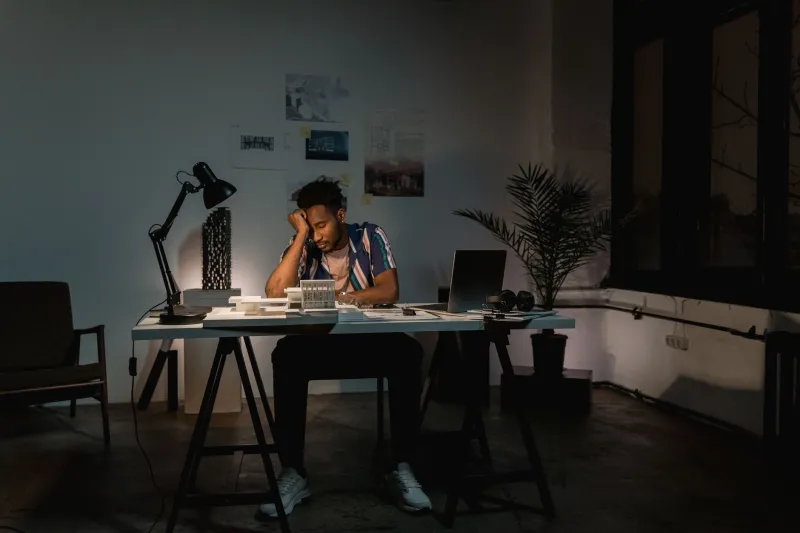
The numbers are hard to ignore. A 2021 Survey Center on American Life report found that 15% of American men reported having no close friends at all — up from just 3% in 1990. Women aren't far behind. Across all demographics, the average number of close friendships Americans report has dropped significantly over the past three decades. Surgeon General Vivek Murthy formally declared loneliness a public health epidemic in 2023, comparing its health risks to smoking 15 cigarettes a day. That's not a metaphor. That's a medical comparison.
So what happened? And more interestingly — what are people actually doing about it?
The Infrastructure of Friendship Got Quietly Dismantled
For most of American history, friendship wasn't something you had to schedule. It was a byproduct of proximity. You had a neighborhood bar, a church, a union hall, a bowling league. Sociologist Ray Oldenburg called these "third places" — spaces that weren't home, weren't work, but were somewhere in between where people just... showed up. Regularly. Without an agenda.
Those places have been disappearing for decades. Malls hollowed out. Bowling alleys closed. Religious attendance hit historic lows. Local bars got replaced by brunch spots that cost $40 before noon. The architecture of casual, repeated, low-stakes social contact — the exact kind that builds real friendships over time — basically got bulldozed.
Then remote work finished the job.
For millions of Americans, the office was a deeply imperfect but genuinely functional social engine. You didn't have to try to meet people. They were just there, every day, complaining about the same printer. Post-2020, that disappeared too. And unlike the office itself, the friendships that formed inside it didn't always survive the transition to Slack messages and quarterly Zoom calls.
The Paradox of Being More Connected Than Ever
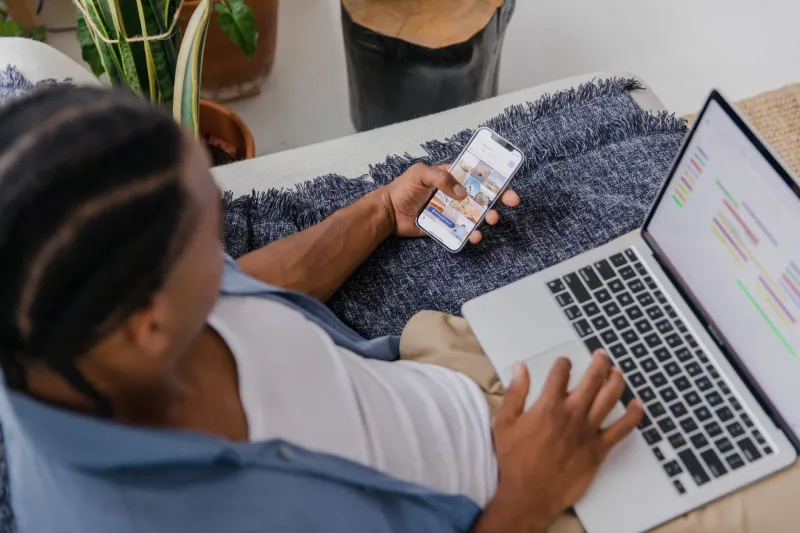
Here's the part that gets weird: Americans have never had more tools to communicate. Texting, DMs, voice notes, FaceTime, Discord, group chats, comment threads. The sheer volume of digital interaction happening every second is almost incomprehensible.
And yet.
There's growing evidence that social media, in particular, has substituted the feeling of connection for the actual thing. Scrolling through someone's highlight reel isn't the same as sitting across from them. Reacting to a story isn't the same as having a real conversation. We've gotten very good at performing friendship — and much worse at actually having it.
Psychologists point to something called "ambient awareness" — the low-level sense of knowing what people are up to through social feeds — as a trap. It makes you feel caught up without ever actually catching up. You think you know what your college roommate is doing because you saw their vacation photos. But you haven't talked in two years.
The Unconventional Fixes People Are Actually Trying
None of this is going unnoticed. And the responses are genuinely fascinating — less "wellness trend" and more "people quietly rebuilding social infrastructure from scratch."
Friend-matching apps have emerged as one of the more surprising growth categories in tech. Apps like Bumble BFF and Meetup have seen significant user surges since 2021. Newer entrants like Friended and Squad are specifically targeting adults who feel embarrassed admitting they don't really know how to make friends anymore (spoiler: most of them don't). The stigma is fading fast — especially among millennials and Gen Z who are increasingly treating adult friendship like any other thing worth intentionally pursuing.
Intentional communities are having a quiet renaissance. These range from co-housing developments — where residents have private units but share common spaces — to informal "friend houses" where groups of adults deliberately move into the same building or neighborhood. It's not commune life. It's more like engineering the kind of proximity that used to happen naturally.
Structured social clubs are making a comeback that no one really predicted. Men's groups, book clubs with actual attendance commitments, running clubs that function more like social anchors than fitness routines — these are all growing. There's something almost countercultural about them in 2024: the idea that you commit to showing up somewhere, regularly, with the same people, whether or not you feel like it. That consistency is, it turns out, basically the whole recipe for friendship.
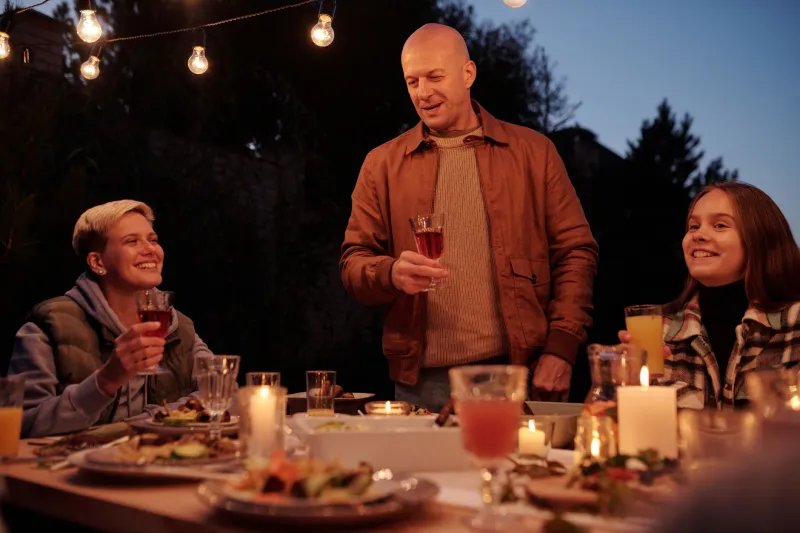
Paid social experiences are also on the rise. Companies like The Joyful are offering facilitated dinner experiences specifically designed to help strangers become friends. It sounds awkward. Participants consistently report it isn't. When the structure is built in, people relax into it.
Why This Matters Beyond the Personal
Friendship isn't just a nice-to-have. Communities with stronger social ties have better public health outcomes, lower crime rates, higher civic participation, and greater economic resilience. Loneliness costs American employers an estimated $154 billion a year in stress-related absences. The ripple effects are enormous.
There's also a generational dimension worth watching. Gen Z — despite being the most digitally native generation in history — consistently reports the highest rates of loneliness across all age groups. They grew up with every tool imaginable for connection and still ended up the loneliest. That's not an indictment of technology exactly, but it is a pretty clear signal that the tools alone don't solve it.
The Effort Is the Point
Maybe the most honest thing to say about the friendship recession is that its solution is kind of inconvenient. Friendship, it turns out, requires repetition. It requires showing up even when you're tired. It requires being bad at conversation sometimes and staying anyway. It requires the kind of low-pressure, unscheduled time that modern American life has systematically optimized out of existence.
The people finding their way back to it aren't doing anything revolutionary. They're joining the running club. They're committing to the Thursday dinner. They're moving closer to people they actually like. They're downloading the weird friend app and feeling embarrassed about it for exactly one week before it stops mattering.
It's not glamorous. It doesn't make for a great content strategy. But it's working — and in an era where genuine human connection has somehow become a countercultural act, that's worth paying attention to.