Running on Empty: The Creator Burnout Crisis Nobody Wants to Talk About
There's a version of the creator economy story that gets told a lot. Young person picks up a camera, posts consistently, builds an audience, lands brand deals, and lives the dream. It's a good story. It's also increasingly incomplete.
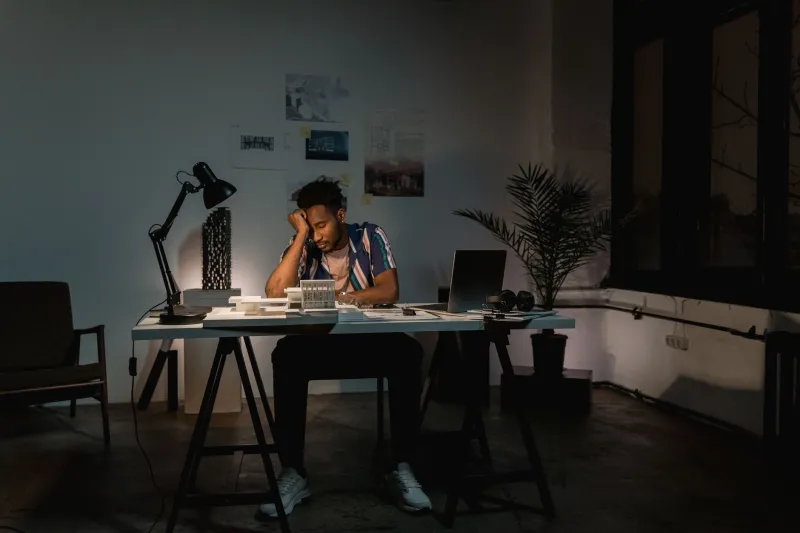
The part that doesn't make it into the highlight reel? The 2 a.m. editing sessions. The panic spiral when a video underperforms. The creeping dread of opening analytics first thing in the morning. The growing number of creators — some with millions of followers, others with a few thousand — who are quietly stepping back, burning out, or disappearing from platforms entirely.
This isn't a niche problem. It's a structural one. And it says something uncomfortable about the systems we've all helped build.
The Algorithm Always Moves the Goalposts
Here's the thing about chasing algorithmic success: the algorithm doesn't care about you. Not in a sinister way — it just doesn't factor your wellbeing into its calculations. What it rewards is consistency, engagement, watch time, and novelty. All at once. All the time. Forever.
YouTubers who built audiences on weekly uploads suddenly found the platform favoring daily content. TikTokers who mastered 60-second formats got blindsided by longer video pushes. Instagram creators who figured out Reels got told Stories matter more now. The goalposts don't just move — they teleport.
"You're basically in a relationship with a platform that can change the terms at any time and never has to explain why," one mid-size content creator told us. "And if you don't keep up, your income just... drops."
For full-time creators, this isn't abstract. It's rent. It's health insurance. It's the mortgage payment. The pressure to stay relevant isn't a personality quirk — it's a financial survival mechanism.
The Part-Time Trap
Burnout isn't just a full-timer problem, though. In some ways, the part-time creator has it harder.
Maybe you're posting on TikTok after a nine-to-five, trying to grow a channel that might eventually let you quit the day job. You're managing two full-time mental loads simultaneously. The creative energy that used to feel exciting starts to feel like a second job that doesn't pay well yet — and might never.
And social media doesn't reward the slow build anymore. Platforms are optimized for virality, not longevity. You can spend months building something thoughtful and get crushed by a trend video someone made in fifteen minutes. The math is demoralizing in a way that compounds over time.
A 2023 survey by Adobe found that 48% of US creators reported feeling burned out from content creation. That number has almost certainly grown since. What's striking isn't just the scale — it's that the people experiencing it often feel like they can't say so publicly. Admitting burnout, in creator culture, can feel like admitting you're not cut out for it.
What the Internet Looks Like Without Them
Let's sit with an uncomfortable hypothetical: what actually happens if a significant wave of creators stops?
The obvious answer is that the platforms keep running. There are always new creators entering the ecosystem, and the algorithm will surface whoever's left. But quality and diversity of content aren't guaranteed to survive that churn. The creators who've been at it for years — who've built genuine communities, who make weird niche stuff that a specific audience loves — those aren't easily replaced.
What fills the gap? More corporate content. More AI-generated filler. More branded entertainment that's technically content but isn't really anyone's creative expression. The internet doesn't go dark when creators burn out. It just gets a little more hollow.
There's also the community dimension. Plenty of online spaces are built around specific creators — their comment sections, their Discord servers, their subreddits. When a creator steps away, those communities often fracture or dissolve. That's not just a content loss. It's a social loss.
The Cultural Pressure Nobody Named
Something worth naming: there's a cultural story in America that treats burnout as a badge of honor. The grind is the point. If you're not exhausted, you're not working hard enough. Creator culture absorbed that story wholesale and added a layer of performance to it — you're not just supposed to work yourself into the ground, you're supposed to document it and make it look aspirational.
The "day in my life" video genre is basically a monument to this. Watch someone wake up at 5 a.m., hit the gym, film content, edit for six hours, respond to DMs, and go to sleep — then package that into a video that makes it look energizing. The hustle gets aestheticized. The exhaustion gets filtered out.
But filters wear thin. And more creators are starting to push back on the performance of productivity. Some are posting less and saying so directly. Others are taking extended breaks without explanation. A handful have walked away from massive audiences and talked candidly about what that decision cost them — and what it gave back.
Can Anything Actually Change?
The optimistic read is that the platforms have a real incentive to address this. If your best creators burn out and leave, your product gets worse. YouTube has made some moves toward creator wellness — longer monetization windows, more stable revenue tools. TikTok's Creator Fund has been widely criticized for underpaying, but there's at least an acknowledgment that creators need sustainable income.
But structural change is slow, and the incentive architecture is still pointed in the wrong direction. Platforms profit from volume and engagement. Burnout is an externality — a cost borne by the creator, not the platform.
What might actually help? More realistic conversations about what sustainable content creation looks like. Communities that reward quality over frequency. Creators being honest with their audiences about bandwidth. And maybe, eventually, platforms that build systems rewarding consistency over time rather than just the last thirty days of performance.
None of that is guaranteed. But the conversation is finally getting louder — and that's at least a start.
The ghost in the feed isn't a metaphor for something spooky. It's just a person who used to post here, who gave a lot, and eventually had nothing left to give. The internet is full of them. It's worth asking what we're doing to make sure there are fewer.